



How to Choose the Best Inflatable Fishing Boat for Stability and Performance?
Article Summary
An inflatable fishing boat is a practical solution for anglers seeking portability, affordability, and reliable performance on various water conditions. However, many users struggle with selecting the right model due to concerns about durability, stability, weight capacity, and ease of setup. This guide provides a structured explanation of how inflatable fishing boats work, their key features, and how to choose the most suitable option. It also addresses common pain points such as safety, maintenance, and long-term usability.
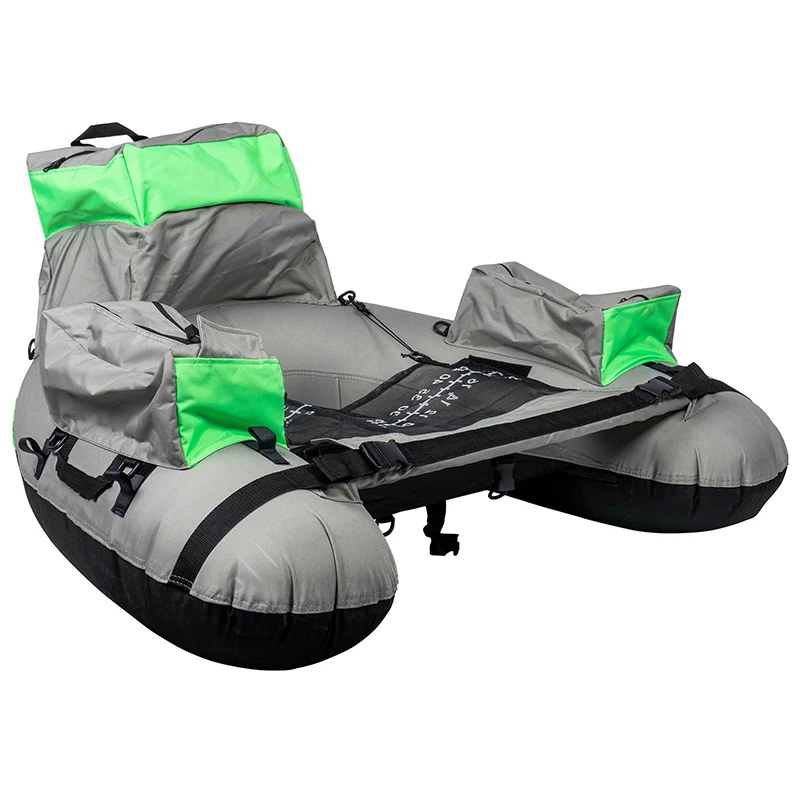
Table of Contents
- 1. What Is an Inflatable Fishing Boat?
- 2. How Does an Inflatable Fishing Boat Work?
- 3. Common Problems Faced by Buyers
- 4. Key Features and Technical Specifications
- 5. Types of Inflatable Fishing Boats
- 6. How to Choose the Right Inflatable Fishing Boat
- 7. Safety and Maintenance Tips
- 8. Frequently Asked Questions
- 9. Conclusion
1. What Is an Inflatable Fishing Boat?
An inflatable fishing boat is a lightweight watercraft constructed from durable, flexible materials such as PVC or reinforced rubber. Unlike traditional rigid boats, it can be deflated for storage and transportation, making it highly convenient for anglers who require mobility.
These boats are widely used in lakes, rivers, and calm coastal waters. They offer a balance between portability and functionality, making them ideal for both beginners and experienced fishermen.
2. How Does an Inflatable Fishing Boat Work?
Inflatable fishing boats rely on multiple air chambers to maintain buoyancy and structural integrity. Once inflated, the chambers create a stable platform that supports weight and resists water pressure.
- Air chambers provide flotation and safety redundancy
- Rigid or inflatable floors improve stability
- Outboard motor mounts enable propulsion
- Reinforced seams ensure durability under stress
Modern designs also incorporate advanced materials and heat-welded seams to improve resistance to punctures and environmental wear.
3. Common Problems Faced by Buyers
Customers often encounter several challenges when purchasing an inflatable fishing boat. Understanding these issues helps in making a more informed decision.
- Stability Concerns: Fear of tipping in rough water
- Durability Issues: Worries about punctures and material wear
- Weight Capacity: Uncertainty about load limits
- Setup Complexity: Time required for inflation and assembly
- Storage Limitations: Space constraints when not in use
Addressing these pain points requires selecting a well-designed product with proven reliability.
4. Key Features and Technical Specifications
| Feature | Description |
| Material | High-strength PVC or multi-layer reinforced fabric |
| Air Chambers | Multiple independent chambers for safety |
| Load Capacity | Typically ranges from 200 kg to 600 kg |
| Floor Type | Inflatable floor, aluminum floor, or wooden deck |
| Length | 2.3 m to 4.5 m depending on model |
| Motor Support | Compatible with small outboard motors |
| Portability | Foldable and easy to transport |
Products manufactured by MEITAI are designed to meet strict quality standards, ensuring durability, performance, and user safety across different environments.
5. Types of Inflatable Fishing Boats
Different types of inflatable fishing boats are designed to suit various fishing conditions and user preferences.
- Raft-Style Boats: Ideal for calm waters and casual fishing
- Inflatable Dinghies: Suitable for small groups and motor use
- Rigid Inflatable Boats (RIBs): Enhanced stability with solid hull base
- Kayak-Style Boats: Designed for solo anglers and narrow waterways
Choosing the right type depends on usage frequency, water conditions, and the number of users.
6. How to Choose the Right Inflatable Fishing Boat
Selecting the ideal inflatable fishing boat involves evaluating several critical factors:
- Water Conditions: Calm lakes or rough coastal areas
- Capacity Requirements: Number of passengers and gear weight
- Material Quality: Thicker PVC for durability
- Ease of Setup: Quick inflation systems save time
- Transportation Needs: Compact design for easy carrying
For frequent anglers, investing in a high-quality boat ensures better long-term value and safety.
7. Safety and Maintenance Tips
Proper maintenance significantly extends the lifespan of an inflatable fishing boat and ensures safe operation.
- Inspect for leaks or damage before each use
- Avoid overinflation to prevent material stress
- Clean and dry after use to prevent mold
- Store in a cool, dry place away from sunlight
- Use repair kits for minor punctures
Following these practices helps maintain performance and reduces unexpected failures during use.
8. Frequently Asked Questions
Q1: Are inflatable fishing boats safe?
Yes. Modern inflatable boats are designed with multiple air chambers and durable materials, ensuring high safety standards even in challenging conditions.
Q2: How long does an inflatable fishing boat last?
With proper care and maintenance, a high-quality inflatable fishing boat can last several years, even with frequent use.
Q3: Can inflatable fishing boats handle motors?
Many models support small outboard motors, making them suitable for extended fishing trips and larger water bodies.
Q4: Is it difficult to transport an inflatable fishing boat?
No. One of the main advantages is portability. Once deflated, it can be folded and transported easily in a vehicle.
9. Conclusion
An inflatable fishing boat provides a flexible and efficient solution for anglers who value portability without compromising performance. By understanding the key features, types, and selection criteria, users can confidently choose a model that meets their specific needs.
MEITAI continues to deliver reliable inflatable fishing boat solutions designed for durability, safety, and convenience. Whether for recreational fishing or professional use, choosing the right product ensures a better overall experience on the water.
If you are searching for high-quality inflatable fishing boats tailored to your requirements, contact us today to explore advanced solutions and professional support that can enhance your fishing experience.
Send Inquiry
-
E-mail
X
We use cookies to offer you a better browsing experience, analyze site traffic and personalize content. By using this site, you agree to our use of cookies.
Privacy Policy