



What Are the Key Applications of Ice Sleds in Outdoor Rescue Operations?
Introduction
Outdoor rescue operations in extreme winter environments demand equipment that combines strength, stability, and reliability. When responders face frozen lakes, snow covered wilderness, or ice bound flood zones, traditional rescue tools often fall short. This is where the Ice Sled becomes an essential solution. Designed to glide smoothly across ice and snow while carrying injured individuals or heavy rescue equipment, Ice Sled products play a vital role in modern emergency response systems.
At Ningbo Meitai Sports Co.,Ltd., we have focused our manufacturing expertise on developing durable rescue solutions that perform consistently under harsh conditions. Our Ice Sled designs are engineered through years of field feedback, material testing, and process optimization inside our factory. This article explores how Ice Sled products are applied in real world outdoor rescue scenarios, why they are trusted by professional teams, and how their technical specifications directly contribute to long term operational performance.

Table of Contents
- What Roles Do Ice Sleds Play in Ice and Water Rescue Scenarios?
- Why Are Ice Sleds Critical for Snow and Wilderness Emergency Response?
- How Do Ice Sleds Support Medical Evacuation in Remote Cold Regions?
- What Technical Specifications Define a High Performance Ice Sled?
- How Does Professional Manufacturing Ensure Reliability in Rescue Operations?
- Summary
- FAQ
What Roles Do Ice Sleds Play in Ice and Water Rescue Scenarios?
Ice and water rescue operations represent one of the highest risk categories in emergency response. Unstable ice thickness, moving water beneath frozen surfaces, and extreme cold combine to create environments where traditional rescue approaches are ineffective or dangerous. In these scenarios, the Ice Sled serves as a multifunctional rescue platform that enhances safety, control, and operational efficiency from the first approach to final extraction.
How Does Weight Distribution Improve Rescuer Safety?
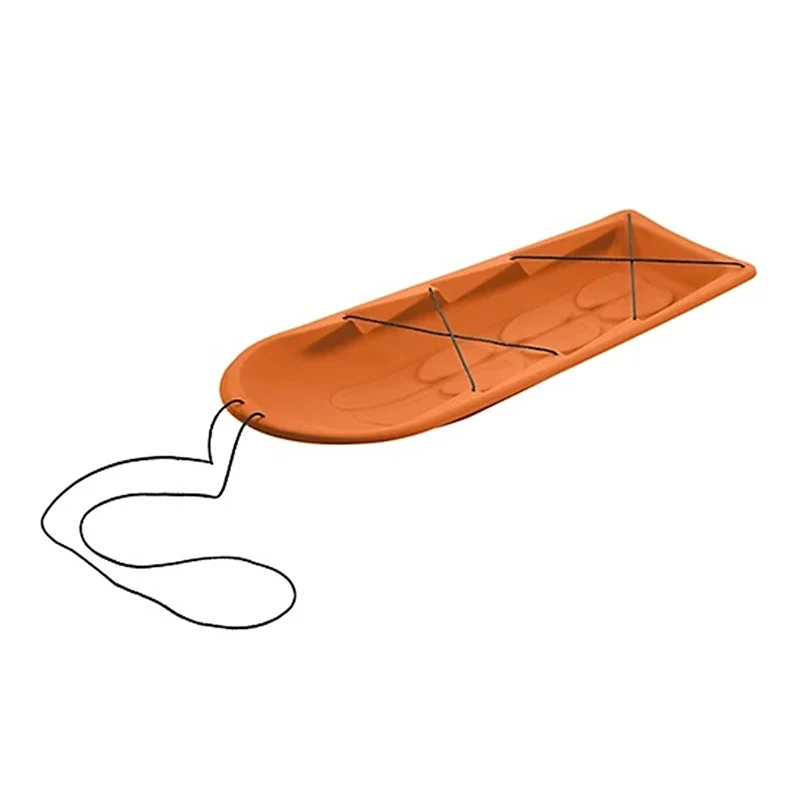
One of the most critical roles of an Ice Sled is its ability to distribute weight evenly across fragile ice surfaces. Unlike direct foot movement, which concentrates pressure on small contact points, the sled spreads load over a wider area. This significantly reduces the risk of secondary ice collapse during approach.
- Minimizes localized stress on thin ice
- Allows rescuers to advance without kneeling or crawling
- Supports combined weight of rescuer, victim, and equipment
Through repeated field testing, Ningbo Meitai Sports Co.,Ltd. has optimized sled geometry to maintain balance even when weight shifts suddenly during rescue maneuvers.
Why Is Controlled Approach Critical in Ice Rescue?
Approaching a victim safely is often the most dangerous phase of an ice rescue. The Ice Sled functions as both a mobility aid and a protective buffer between the rescuer and unstable ice. By gliding forward in a prone or low profile position, responders can maintain a stable center of gravity while keeping essential tools within reach. Inside our factory, design emphasis is placed on low friction base surfaces that allow smooth movement without sudden acceleration. This controlled glide helps rescuers manage ropes, flotation aids, and communication devices without losing balance.
How Does the Ice Sled Support Victim Extraction?
Once contact is made, the Ice Sled becomes a secure extraction platform. Reinforced edges and multiple securing points allow victims to be stabilized quickly, reducing unnecessary movement. This is especially important for individuals suffering from hypothermia or potential spinal injuries.
- Provides a flat, stable surface for victim positioning
- Enables smooth backward transport to safe ground
- Reduces physical strain on rescue personnel
Our Ice Sled designs are engineered to maintain structural rigidity under load, ensuring consistent performance during the most physically demanding phase of rescue.
What Role Does the Ice Sled Play in Ice Water Transitions?
In ice water rescues, victims are often partially submerged, making extraction particularly complex. The Ice Sled acts as a transitional platform between water and ice, allowing rescuers to lift or roll the victim onto the sled surface with controlled motion. Integrated attachment points enable the use of ropes or harness systems, improving coordination among team members. This controlled transfer reduces the risk of sudden immersion, cold shock, or loss of grip during extraction.
Why Is Equipment Transport an Added Advantage?
Beyond victim rescue, the Ice Sled also functions as a mobile equipment carrier. During prolonged operations, responders must transport flotation devices, thermal blankets, ice tools, and medical supplies across unstable surfaces. The sled allows this equipment to be staged safely and accessed quickly without repeated trips. By combining approach safety, extraction capability, and equipment transport into a single solution, the Ice Sled becomes an indispensable asset in ice and water rescue operations. At Ningbo Meitai Sports Co.,Ltd., this integrated functionality remains a core focus of our design and manufacturing philosophy.
Why Are Ice Sleds Critical for Snow and Wilderness Emergency Response?
Snow covered and wilderness rescue environments present a unique combination of logistical and environmental challenges. Deep snow, uneven terrain, low visibility, and extreme temperatures often limit access for vehicles and mechanized rescue tools. In these conditions, the Ice Sled becomes a vital mobility and transport solution that enables responders to reach victims and evacuate them safely over long distances.
How Do Ice Sleds Overcome Mobility Challenges in Deep Snow?
One of the most significant obstacles in snow based rescue operations is mobility. Walking through deep or compacted snow quickly exhausts rescue personnel and slows response time. The Ice Sled addresses this challenge by providing a low friction platform that glides over snow rather than sinking into it.
- Reduces physical effort required for movement
- Maintains stability on soft or uneven snow surfaces
- Supports consistent travel speed during evacuation
Through continuous design refinement at Ningbo Meitai Sports Co.,Ltd., sled runners and base contours are optimized to balance glide efficiency with directional control, ensuring predictable handling in varying snow conditions.
Why Is Stability Essential in Wilderness Rescue Scenarios?
Wilderness rescue operations often take place far from established infrastructure, where terrain conditions can change rapidly. Ice Sled stability becomes critical when navigating slopes, forested paths, or frozen ground hidden beneath snow. Our factory places strong emphasis on maintaining a low center of gravity in Ice Sled designs. This stability allows rescuers to maneuver confidently while towing or guiding the sled through narrow or obstructed areas. Reinforced sidewalls help prevent lateral flexing, reducing the risk of tipping during transport.
How Do Ice Sleds Support Long Distance Casualty Evacuation?
In remote environments, evacuation distances can extend for several kilometers before reaching medical support. Carrying a patient over such distances without mechanical assistance is physically demanding and inefficient. The Ice Sled provides a practical solution by allowing smooth, continuous movement with minimal lifting.
- Enables team based towing to share physical load
- Maintains patient comfort and alignment
- Allows integration with insulation and weather protection
Our Ice Sled products are engineered to accommodate medical accessories, ensuring that patients remain protected from cold exposure throughout transport.
What Role Do Ice Sleds Play in Search and Rescue Coordination?
During search and rescue missions in snowy wilderness areas, coordination and equipment management are essential. The Ice Sled functions as both a transport platform and a mobile staging area for rescue tools and supplies. By securing ropes, navigation devices, and medical kits directly on the sled, responders can operate more efficiently without repeated backtracking. This multifunctional use improves overall mission effectiveness and reduces response time.
Why Does Manufacturing Quality Matter in Harsh Wilderness Conditions?
Extreme cold, impact with hidden obstacles, and prolonged exposure to moisture place significant stress on rescue equipment. At Ningbo Meitai Sports Co.,Ltd., our factory applies strict quality control measures to ensure Ice Sled durability under these conditions. Cold resistant materials, reinforced structural zones, and consistent molding processes ensure that each Ice Sled maintains performance even after repeated use. This reliability allows rescue teams to focus on mission execution rather than equipment limitations, making the Ice Sled an indispensable tool in snow and wilderness emergency response.
How Do Ice Sleds Support Medical Evacuation in Remote Cold Regions?
Medical evacuation in remote cold regions poses unique challenges that demand specialized equipment. Patients in these environments may be suffering from hypothermia, frostbite, fractures, or other injuries, and rapid transport to medical facilities is critical. Standard stretchers or wheeled transport devices are often ineffective in deep snow, ice, or rugged terrain. Ice Sleds provide a reliable solution by combining stability, mobility, and protection for both patients and rescuers.
How Do Ice Sleds Ensure Patient Stability?
One of the primary considerations during medical evacuation is minimizing patient movement. Any unnecessary jostling can exacerbate injuries, especially spinal or limb trauma. Ice Sleds feature flat, reinforced surfaces and multiple securing points that allow responders to stabilize patients effectively. Straps and harness systems can be integrated to maintain proper alignment and ensure the patient remains secure during transit.
- Supports spinal boards and insulated stretchers
- Prevents sliding or tipping during gliding over snow or ice
- Allows patient positioning according to medical protocol
Our factory at Ningbo Meitai Sports Co.,Ltd. has developed sled designs that maintain structural rigidity under heavy loads, ensuring consistent support even during long evacuations.
Why Is Ease of Transport Important in Remote Areas?
In remote cold regions, terrain is often inaccessible to vehicles, and rescuers must cover long distances on foot. Ice Sleds provide a gliding platform that significantly reduces physical strain by distributing weight and minimizing friction against snow or ice. Multiple personnel can share towing responsibilities, making long-distance evacuations more feasible and efficient.
- Low friction base allows smooth movement over snow and ice
- Reduces responder fatigue, increasing operational efficiency
- Facilitates coordinated multi-rescuer towing
By integrating ergonomic handles and lightweight but durable materials, our Ice Sled designs ensure that responders can maintain steady control over long distances without compromising patient safety.
How Do Ice Sleds Protect Patients from Extreme Cold?
Cold exposure is a significant risk during medical evacuation. Ice Sleds allow for the integration of insulation blankets, thermal pads, and weather protective covers. By creating a secure platform, the sled reduces direct contact between patients and cold surfaces, limiting heat loss and preventing further hypothermia. Our factory employs cold-resistant polyethylene and reinforced structural zones, ensuring that the sled maintains performance and does not become brittle in subzero temperatures. This material stability ensures that the protective features of the Ice Sled remain effective throughout the evacuation process.
What Advantages Do Ice Sleds Provide for Multi-Mission Medical Teams?
Ice Sleds are versatile tools for medical teams operating in remote cold environments. Beyond patient evacuation, they can carry medical kits, oxygen supplies, and monitoring equipment. This multi-functional capability allows teams to respond efficiently, reducing the need for multiple trips and ensuring that all necessary resources are available during the mission.
- Serves as both transport and equipment platform
- Supports integrated attachment of medical accessories
- Enhances efficiency and operational safety in prolonged rescue operations
At Ningbo Meitai Sports Co.,Ltd., our Ice Sled products are tested to meet stringent load and environmental standards, ensuring that medical teams can rely on them for critical remote evacuations. This combination of stability, durability, and adaptability makes the Ice Sled an essential component of cold-region rescue protocols.
What Technical Specifications Define a High Performance Ice Sled?
Technical specifications are the foundation of reliable rescue equipment. A professional Ice Sled must meet strict performance criteria to function effectively in diverse rescue environments. Our engineering team focuses on measurable parameters that directly influence safety and usability.
| Material | High density polyethylene with cold resistant formulation |
| Load Capacity | Up to 300 kg depending on model |
| Operating Temperature | From minus 40 degrees Celsius to moderate climates |
| Surface Design | Low friction base with reinforced edges |
| Attachment Points | Multiple reinforced slots for straps and tow lines |
These parameters are not arbitrary. Each specification reflects real world feedback from rescue professionals. Our factory testing protocols include impact resistance, load endurance, and environmental stress simulations. This ensures that every Ice Sled leaving production meets operational demands. Consistency is critical. Through controlled molding cycles and quality inspection processes, Ningbo Meitai Sports Co.,Ltd. maintains uniform performance across production batches. This consistency allows rescue organizations to standardize training and deployment procedures.
How Does Professional Manufacturing Ensure Reliability in Rescue Operations?
Reliability in rescue equipment starts with manufacturing discipline. At Ningbo Meitai Sports Co.,Ltd., we integrate material science, process control, and quality management to ensure every Ice Sled performs as intended in the field.
Our factory operates under strict production protocols that emphasize:
- Controlled raw material sourcing and verification
- Precision molding and thickness control
- Post production inspection and functional testing
- Continuous improvement based on user feedback
By maintaining close control over each production stage, we reduce variability and eliminate weak points. This approach ensures that our Ice Sled solutions deliver predictable performance during high stress rescue scenarios. Professional rescue teams value equipment that works without hesitation. Through long term collaboration with users and ongoing refinement, we align manufacturing outcomes with real operational needs. This commitment strengthens trust and supports long term partnerships.
Summary
The Ice Sled is a critical tool across a wide range of outdoor rescue operations, from ice water emergencies to wilderness medical evacuations. Its ability to glide safely over unstable surfaces, carry heavy loads, and protect both rescuers and patients makes it indispensable in cold environment response systems.
With a focus on material integrity, technical precision, and real world usability, Ningbo Meitai Sports Co.,Ltd. continues to deliver Ice Sled solutions that meet professional rescue standards. Our manufacturing expertise ensures long term performance, reliability, and safety in the most demanding conditions. For organizations seeking dependable rescue equipment, choosing a proven Ice Sled design backed by experienced manufacturing is a strategic investment. Contact us today to discuss specifications, customization options, and production capacity tailored to your operational needs.
FAQ
Q1: What are the primary applications of Ice Sled products in outdoor rescue operations?
Ice Sled products are primarily used in ice water rescue, snow covered terrain evacuation, wilderness search and rescue, and remote medical transport where wheeled equipment cannot operate safely.
Q2: How does an Ice Sled improve safety during ice rescue missions?
An Ice Sled distributes weight evenly across fragile surfaces, reducing the risk of ice collapse while providing a stable platform for rescuers and victims during extraction.
Q3: What load capacity should professional rescue teams consider when selecting an Ice Sled?
Rescue teams should select an Ice Sled with sufficient load capacity to support both the patient and essential equipment, typically up to 300 kg depending on mission requirements.
Q4: How do cold resistant materials affect Ice Sled performance?
Cold resistant materials maintain flexibility and impact resistance in subzero temperatures, preventing cracking and ensuring consistent performance during extreme winter operations.
Q5: Why is manufacturing quality critical for long term Ice Sled reliability?
High manufacturing quality ensures consistent material thickness, structural strength, and attachment security, all of which are essential for reliable performance in life critical rescue situations.
Send Inquiry
-
E-mail
X
We use cookies to offer you a better browsing experience, analyze site traffic and personalize content. By using this site, you agree to our use of cookies.
Privacy Policy